Samsung
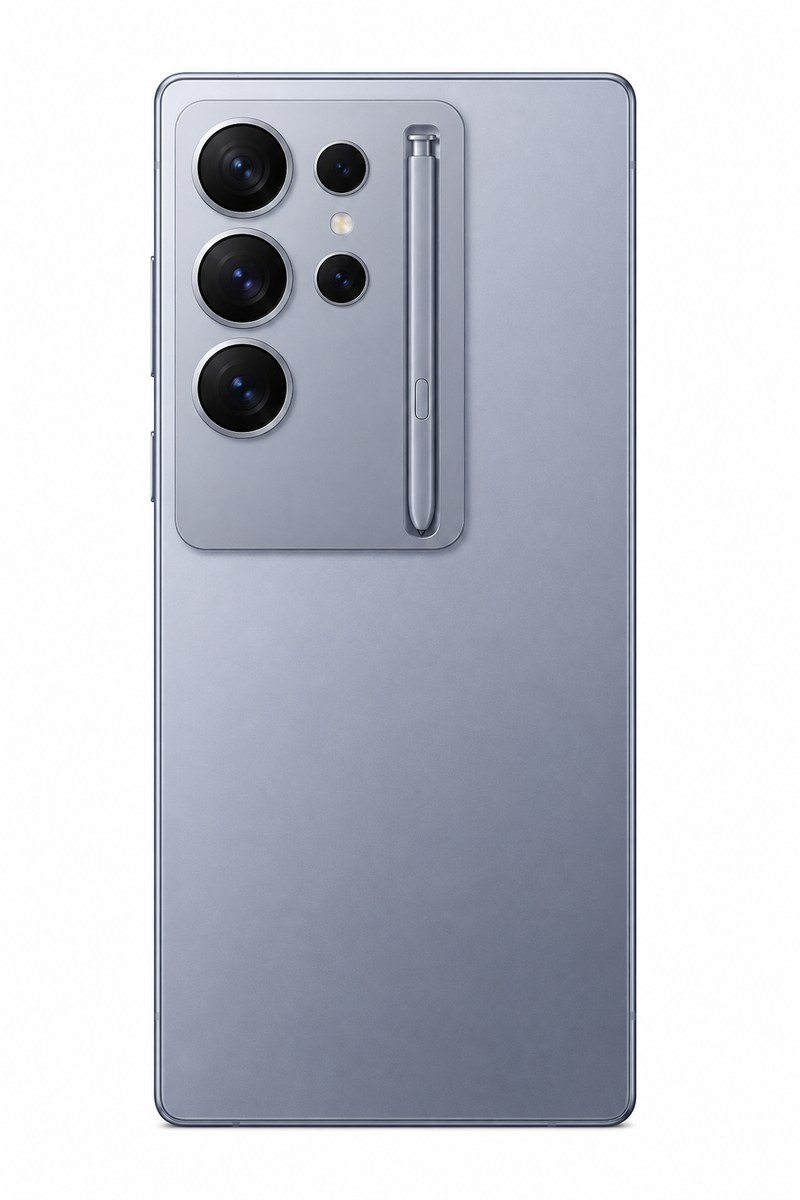
Samsung sells more phone models per year than any other brand on this site, which makes the naming the first thing worth learning. The S-series is the conventional flagship line, released early in the calendar year. Within it, the plain S model is the smallest, the Plus is larger, and the Ultra is the top of the range — bigger screen, the most camera hardware, and on recent generations the S Pen stylus. The Z Fold and Z Flip are the foldables: Fold is the book-style tablet-when-open design, Flip is the clamshell. The A-series is the mid-range and budget volume line, numbered roughly by price, so an A56 sits above an A36. The M and F series are region-specific variations on A-series hardware.
Two Samsung-specific spec-sheet traps are worth knowing. First, some Galaxy models have historically shipped with different chipsets in different regions — an Exynos part in some markets and a Qualcomm Snapdragon in others, under the same marketing name. When that happens, CPU and GPU performance genuinely differ between two phones with identical boxes. We list the chipset for the configuration we catalogued and say so. Second, 'Ultra' does not mean the same thing across generations; the camera array in particular has been reorganised more than once.
Samsung's software layer is One UI, built on Android. Recent flagship generations have carried longer OS-update commitments than most Android brands, which narrows the historical gap with Apple. Check Samsung's own support page for the model you are considering rather than assuming the flagship policy applies to an A-series phone — it usually does not.
On this site we focus on published spec sheets: display type and refresh rate, chipset, camera layout, battery capacity, and charging speed. Those numbers show you whether two Galaxy phones actually differ before you go and read a full review elsewhere. Charging is a good example: Samsung flagships have sat at 45 W for several generations while competitors moved to 80 W and beyond, and that is visible on our table without anyone editorialising.
One further quirk worth knowing: Samsung sells the same flagship under different model codes with different modems by region, and carrier-locked units in some markets receive updates later than unlocked ones. If update speed matters to you, buying unlocked is usually the faster path.
AllMobileSpecs is independent. We do not sell Samsung phones, we do not run a store, and we are not part of any Samsung partner programme. Prices are indicative USD figures for comparison only.