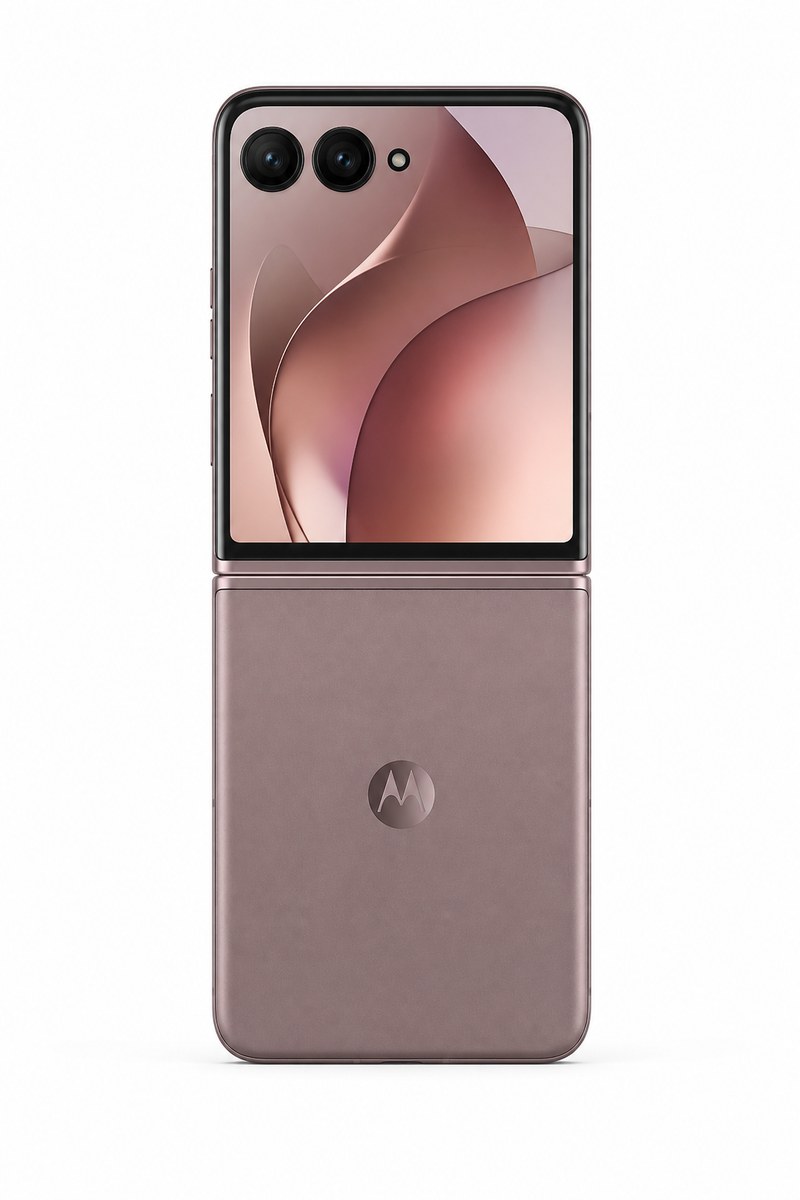
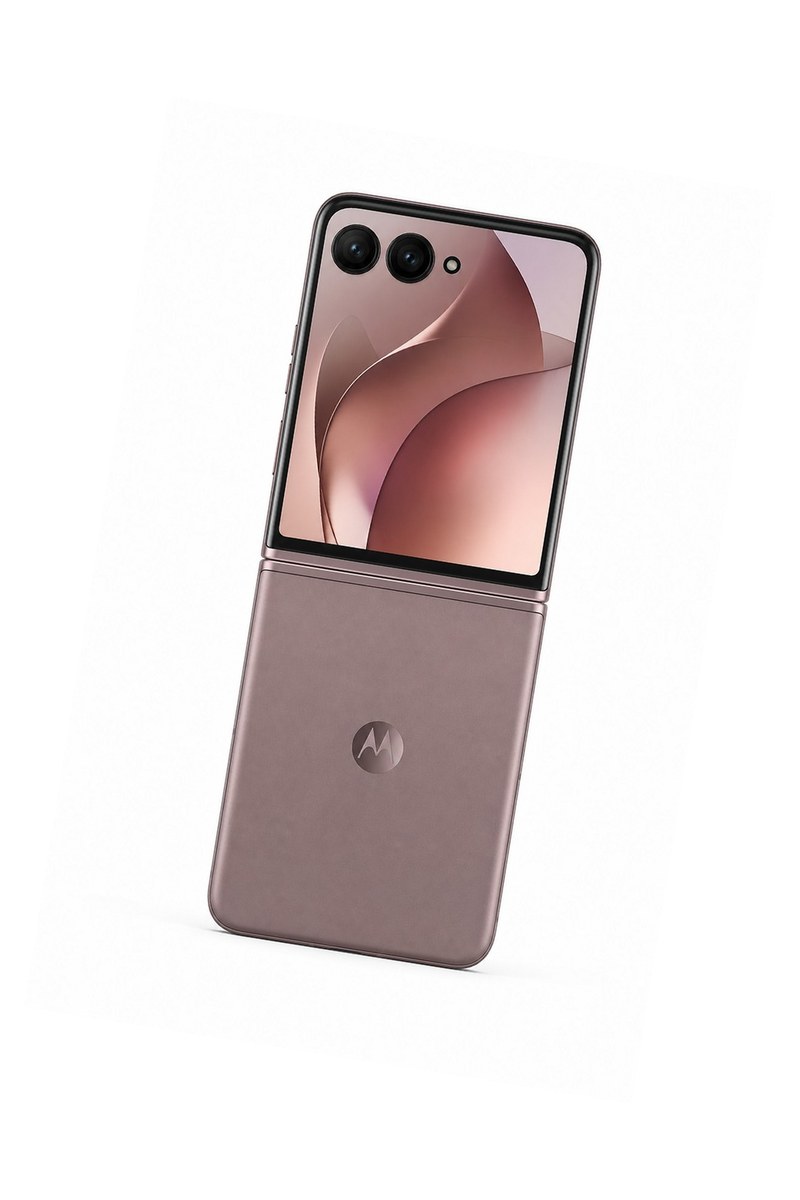
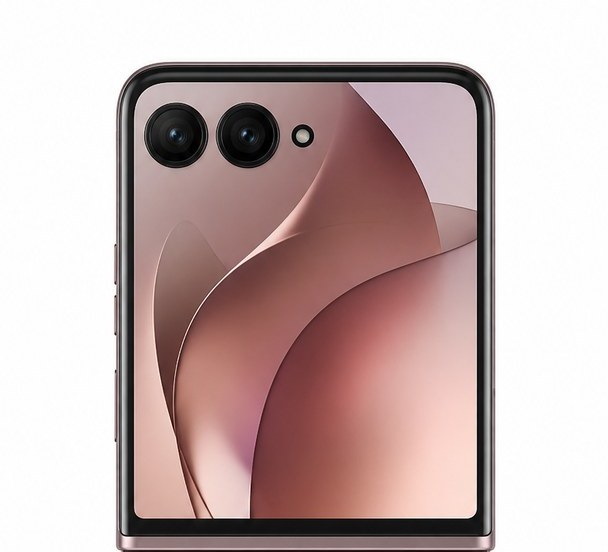
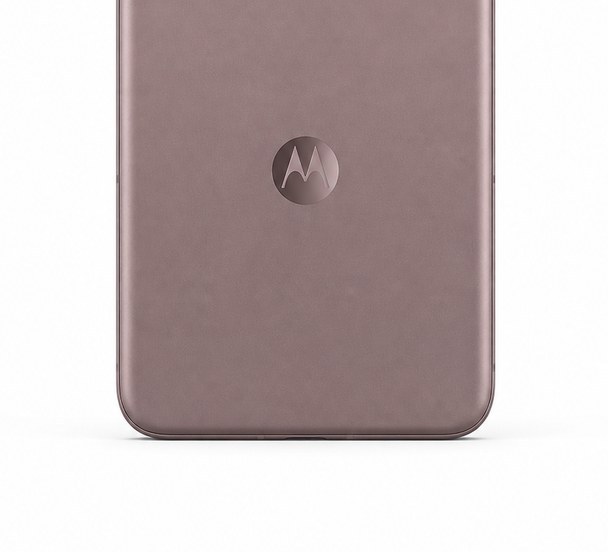
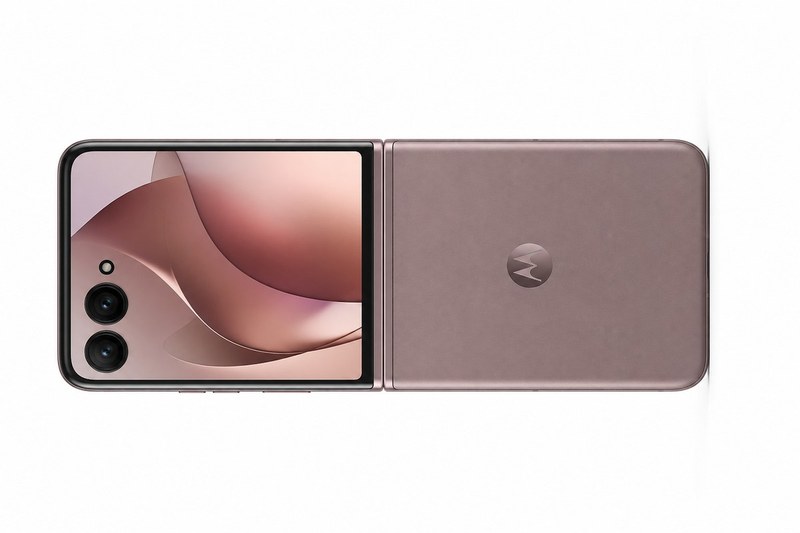
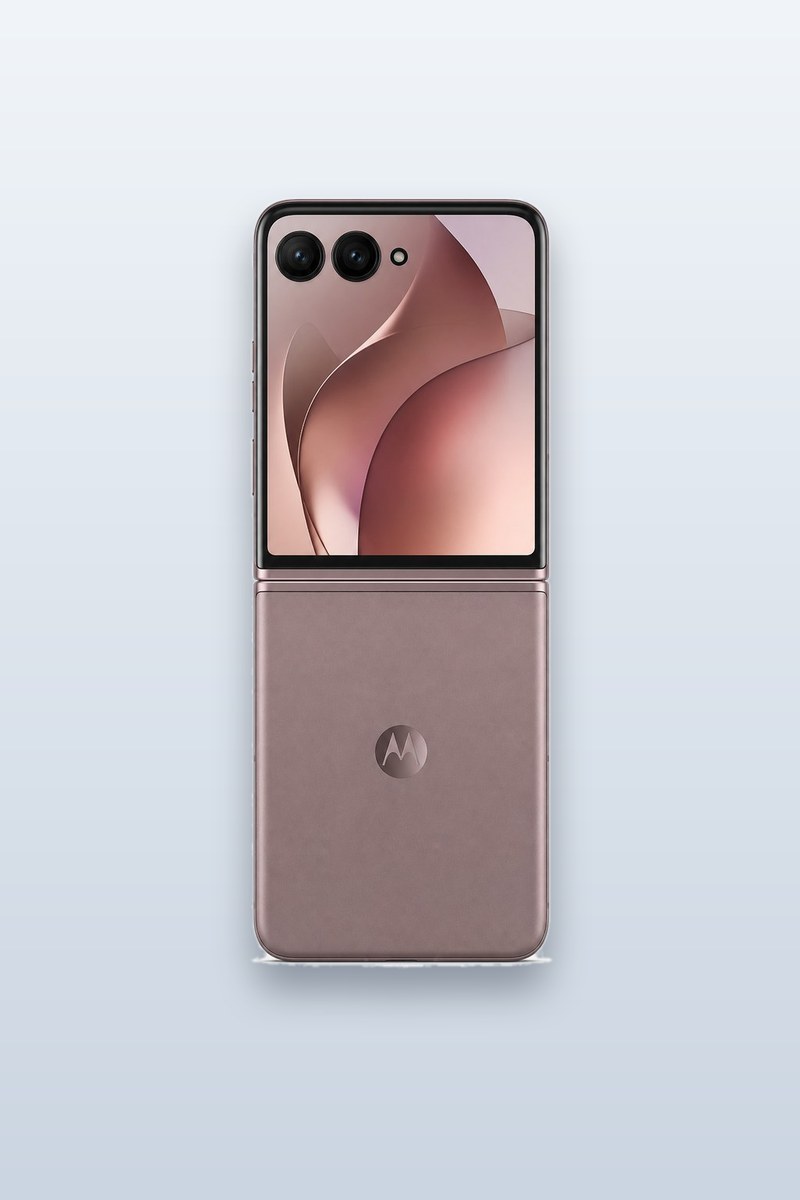
Illustrative images for identification. Not official manufacturer store photos. AllMobileSpecs is not affiliated with Motorola.
Razr 60 Ultra
$1,299.00
Indicative USD (or converted display amount). Not a sale price and not an offer to buy.
Motorola foldable with a large cover display.
Overview
The Razr 60 Ultra is a 2025 Motorola clamshell foldable: a 6.9-inch inner LTPO AMOLED, a 4.0-inch cover display, the Snapdragon 8 Elite, and 16 GB of RAM. It folds in half along its short edge, so it occupies roughly half the pocket space of a conventional phone when closed while opening to a full-size screen.
The cover display is the feature that separates this generation of clamshells from the first ones. At 4.0 inches it is large enough to run full applications rather than just showing notifications, which means a substantial share of daily phone use — replying to messages, checking maps, controlling music, taking photos with the main cameras — happens without opening the device at all. That is the actual argument for the form factor, and it is not visible anywhere in a specification table.
Foldables also add failure modes that slab phones do not have, and honesty about them matters more than enthusiasm. There is a crease across the inner display where it bends; it is visible at an angle on every folding phone currently made. The hinge is a mechanical part with a finite cycle life. The inner screen uses a plastic-topped laminate rather than glass, so it is softer and more easily marked than the outer panel, and it should not be cleaned or pressed like ordinary glass.
The IP48 rating is where we want to be especially clear, because it is easy to misread as being close to IP68. The first digit is dust and the second is water. A 4 in the first position means protection against solid objects above one millimetre — not dust-tight. A hinge assembly is difficult to seal against fine particles, and grit in a hinge is one of the documented failure modes for folding phones. The water rating is good; the dust rating is not, and beaches and building sites are genuinely worse environments for this phone than for an IP68 slab.
The 4000 mAh battery is the smallest in our catalog, and it is a direct consequence of the design: the chassis is two panels and a hinge, which leaves less volume for a cell than a slab of similar footprint. 68 W wired charging tries to offset that, and 30 W wireless is respectable. Expect to charge this phone more often than any other on this site.
The Snapdragon 8 Elite is the same top-tier part used in the Galaxy S25 Ultra and the OnePlus 13, which is worth noting — this is not a case of a novelty form factor carrying compromised silicon. The 50 MP main and 50 MP ultrawide cameras are a two-camera system with no dedicated telephoto, which is the other place the folding design costs you. Unfolded thickness of around 7 mm is a manufacturer figure for the open state; closed, it is roughly double that.
AllMobileSpecs does not sell or warranty foldables. The image is illustrative and the USD price is a flagship-foldable reference, not a checkout amount.
Who it is for
For people who specifically want a phone that fits in a small pocket and who will genuinely use a 4.0-inch cover screen for quick tasks. If that describes you, nothing in a conventional slab replaces it, and this generation has flagship silicon rather than the compromised chips early foldables shipped with. It also suits anyone who wants a large screen without carrying a large object.
If you want maximum durability, maximum battery life, or the best cameras, a conventional flagship is simpler and usually cheaper. The 4000 mAh battery is the smallest here and you will charge more often. IP48 is not IP68 and a hinge is a mechanical part that wears. There is no telephoto camera. And if you are hard on phones or work in dusty environments, this is the wrong device — that is a recommendation against, and we would rather say so than sell the form factor.
How it compares
Against every slab phone in our catalog, this is not really a specification comparison — it is a decision about form factor. You are trading battery capacity, a telephoto camera, ingress protection, and long-term durability for a device that halves in size. If that trade does not appeal in principle, no number on the table will change it.
Against the Galaxy S25 Ultra at the same launch price, the Ultra gives you 5000 mAh against 4000, four cameras against two, IP68 against IP48, and a stylus. The Razr gives you a phone that fits in a jacket pocket.
Against Samsung's own Z Flip line, which we have not yet catalogued, the cover display size and hinge design are the usual points of difference. We will publish a sheet when we have verified figures.
Specifications
Hardware as typically announced. Blank fields mean we have not entered a figure — we do not invent specs.
| Technology | GSM / HSPA / LTE / 5G |
|---|
| Announced | 2025, April |
|---|---|
| Status | Available |
| Dimensions | Unfolded: 171.2 x 74.0 x 7.0 mm |
|---|---|
| Weight | 189 g |
| SIM | Nano-SIM + eSIM |
| IP rating | IP48 |
| Colors | Pantone Alpine Rose, PANTONE Quill Grey |
| Type | Foldable LTPO AMOLED, 120Hz + cover display |
|---|---|
| Size | 6.9 inches (main), 4.0 inches (cover) |
| Resolution | 1224 x 2664 (main) |
| Protection | Gorilla Glass Ceramic |
| OS | Android 15 |
|---|---|
| Chipset | Qualcomm Snapdragon 8 Elite |
| CPU | Octa-core |
| GPU | Adreno 830 |
| RAM | 16 GB |
|---|---|
| Storage | 512 GB |
| Card slot | No |
| Main | 50 MP (wide) + 50 MP (ultrawide) |
|---|---|
| Selfie | 50 MP (cover) + 32 MP (punch-hole) |
| Loudspeaker | Yes, stereo speakers |
|---|---|
| 3.5mm jack | No |
| WLAN | Wi-Fi 7 |
|---|---|
| Bluetooth | 5.4 |
| NFC | Yes |
| USB | USB Type-C 3.1 |
| Capacity | 4000 mAh |
|---|---|
| Charging | 68W wired, 30W wireless |
| Sensors | Fingerprint (side), accelerometer, gyro, proximity, compass |
|---|