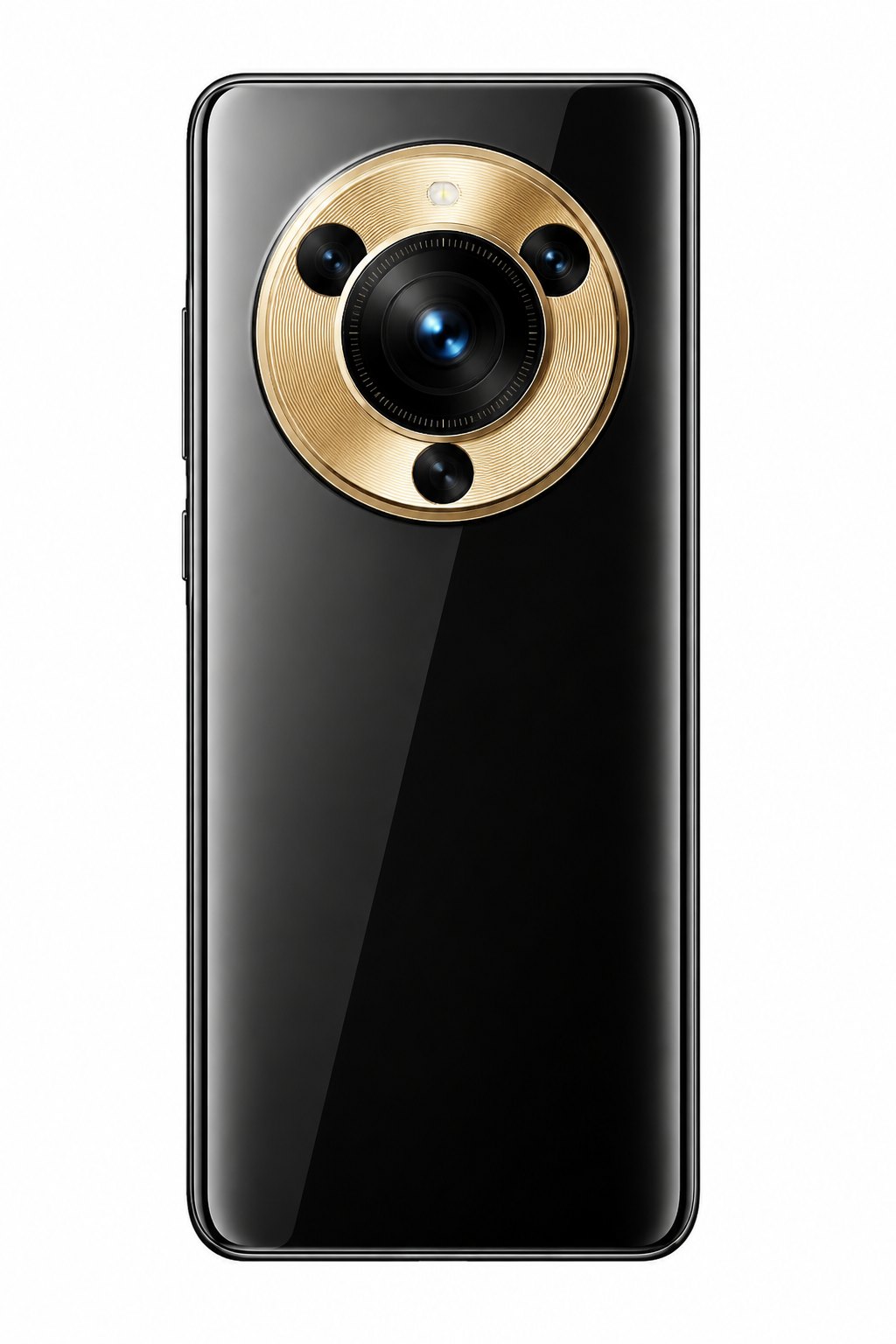
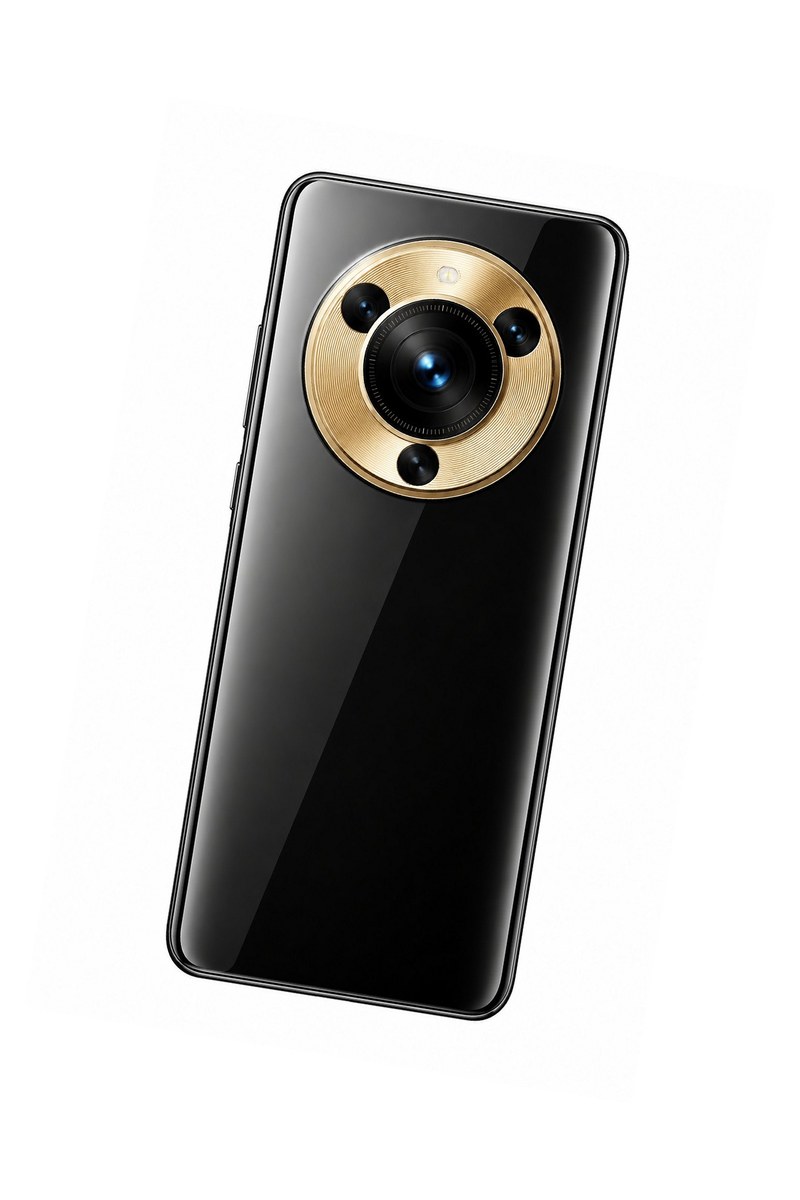
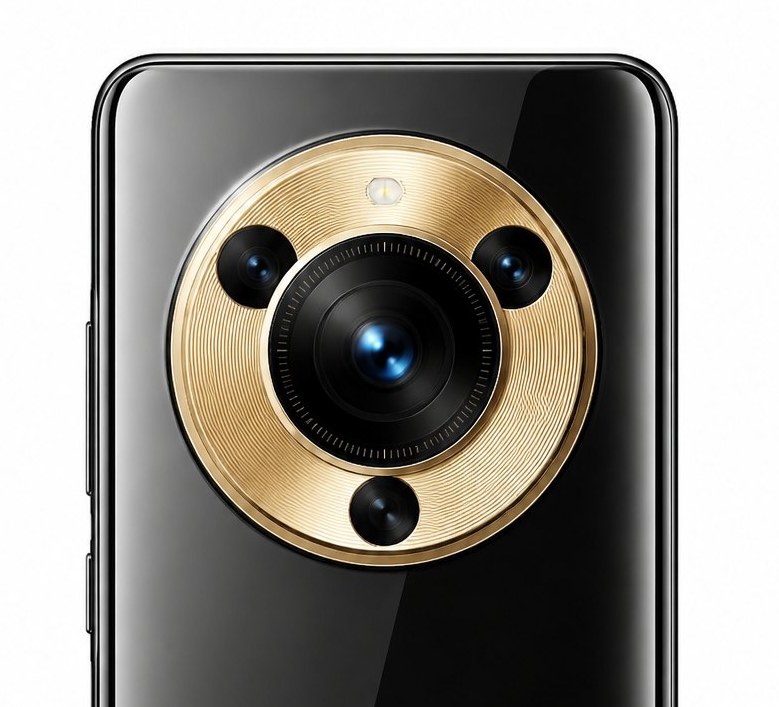
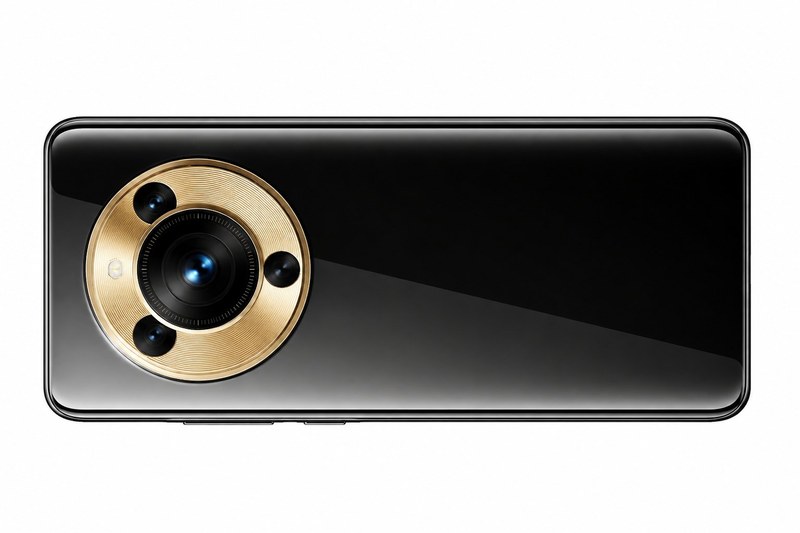
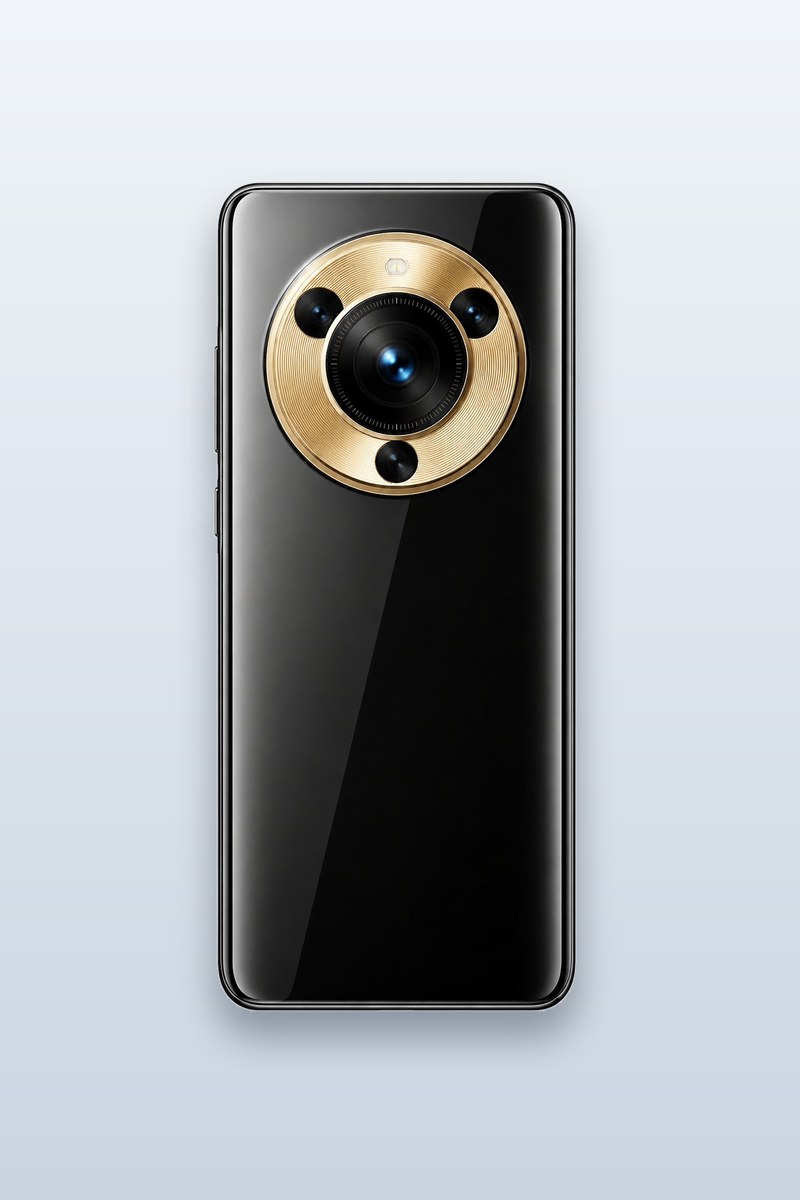
Illustrative images for identification. Not official manufacturer store photos. AllMobileSpecs is not affiliated with Infinix.
Note 40 Pro
$279.00
Indicative USD (or converted display amount). Not a sale price and not an offer to buy.
Infinix Note-series mid-ranger with a 120 Hz AMOLED and 70 W charging.
Overview
The Infinix Note 40 Pro is a large Android mid-ranger built around a 6.78-inch 120 Hz AMOLED, a 5000 mAh battery, and 70 W wired charging. It is not a flagship. It exists because a lot of people want a big bright screen and a short top-up, and they will not pay Galaxy Ultra money for those two things. The Note name is Infinix's workhorse prefix: bigger battery, bigger panel, fewer camera pretensions than a Zero or a GT.
We catalogue the 5G configuration with a MediaTek Dimensity 7020. There is also a 4G Note 40 Pro that uses a Helio G99 Ultra. Those are not the same modem, and they are not the same phone for carrier matching. If your shop only writes 'Note 40 Pro' on the box, ask which chipset is inside before you care about 5G. RAM and storage combinations also split by market — 8 GB or 12 GB of RAM with 256 GB of storage on the sheets we list — so the marketing name is not a unique SKU.
The 108 MP main camera is pixel-binned in normal shooting, so daily files are not 108-megapixel monsters. Extra resolution helps when you crop. The supporting cameras on this class of phone are often 2 MP units; treat those as secondary, not as a triple-camera system equal to a flagship ultrawide plus telephoto. The 32 MP front camera is more useful than those extra rear sensors for most people who actually open the camera app.
70 W into 5000 mAh is the practical headline. It will refill far faster than a Pixel at 27 W or a recent Galaxy A-series at similar money. Heat still ages the cell, and a 70 W figure is the supported peak with a compatible brick, not a promise that every carton includes one. There is no 3.5 mm jack on this configuration. NFC is market-dependent: present on some regional units, absent on others.
XOS on Android 14 is feature-heavy. Expect more preinstalled software than on a Pixel, and a shorter official update window than Samsung's S-series. Infinix does not publish a seven-year OS promise. Treat this as a two-to-three-year phone unless you are comfortable staying on an aging Android release. Infinix does not run a conventional US retail channel. Buying one where you live may mean an importer, a local Transsion distributor, or a grey-market listing. Warranty and LTE/5G bands follow that channel, not the marketing name.
AllMobileSpecs does not sell this phone. The USD figure is an indicative mid-range price so you can compare it with a Redmi Note or a Tecno Camon, not a checkout amount. Images are illustrative studio renders, not official Infinix photography.
Who it is for
A fit if you want a large AMOLED and fast charging without a flagship bill, and you already live in a market where Infinix is sold and serviced. It is also a fit if you charge in short bursts during the day and care more about watts than about a clean Android build.
A poor fit if you need five years of OS updates, Pixel-style software, or guaranteed US carrier bands. Also a poor fit if you wanted a compact phone — 6.78 inches is a both-hands device — or if you were shopping for a zoom camera. There is no telephoto here, only a wide sensor and two low-resolution extras.
How it compares
Against a Redmi Note of the same year, you are usually comparing charging watts, display type, and which store will actually honour a warranty in your city. The chipset names differ; neither is a Snapdragon 8 Elite. Xiaomi's update messaging is often clearer; Infinix's charging number is often higher at the same street price.
Against the Tecno Camon 30 Premier on this site, the Camon is the more camera-led Transsion sibling, with a faster Dimensity 8200 Ultimate and a second 50 MP camera. The Note is the simpler large-battery daily slab. They share a corporate parent; they are not the same spec sheet, and XOS is not HiOS.
Against a Galaxy A-series phone, Samsung typically wins on update policy and brand service footprint. Infinix typically wins on charging speed at the same street price. If you keep phones until the battery dies and you already own Samsung chargers and cases, the Galaxy is the less annoying long-term object.
Specifications
Hardware as typically announced. Blank fields mean we have not entered a figure — we do not invent specs.
| Technology | GSM / HSPA / LTE / 5G |
|---|
| Announced | 2024, March |
|---|---|
| Status | Available |
| Dimensions | 164.3 x 74.5 x 8.0 mm |
|---|---|
| Weight | 196 g |
| SIM | Dual Nano-SIM |
| Colors | Vintage Green, Obsidian Black, Titan Gold |
| Type | AMOLED, 120Hz |
|---|---|
| Size | 6.78 inches |
| Resolution | 1080 x 2436 pixels |
| Protection | Schott Xensation |
| OS | Android 14, XOS 14 |
|---|---|
| Chipset | MediaTek Dimensity 7020 |
| CPU | Octa-core (2x2.2 GHz Cortex-A78 + 6x2.0 GHz Cortex-A55) |
| GPU | IMG BXM-8-256 |
| RAM | 8 GB / 12 GB |
|---|---|
| Storage | 256 GB |
| Card slot | No |
| Main | 108 MP (wide) + 2 MP (depth) + 2 MP (macro) |
|---|---|
| Selfie | 32 MP |
| Loudspeaker | Yes, stereo speakers |
|---|---|
| 3.5mm jack | No |
| WLAN | Wi-Fi 5 |
|---|---|
| Bluetooth | 5.3 |
| NFC | Yes (market dependent) |
| USB | USB Type-C 2.0 |
| Capacity | 5000 mAh |
|---|---|
| Charging | 70W wired |
| Sensors | Fingerprint (under display), accelerometer, gyro, proximity, compass |
|---|