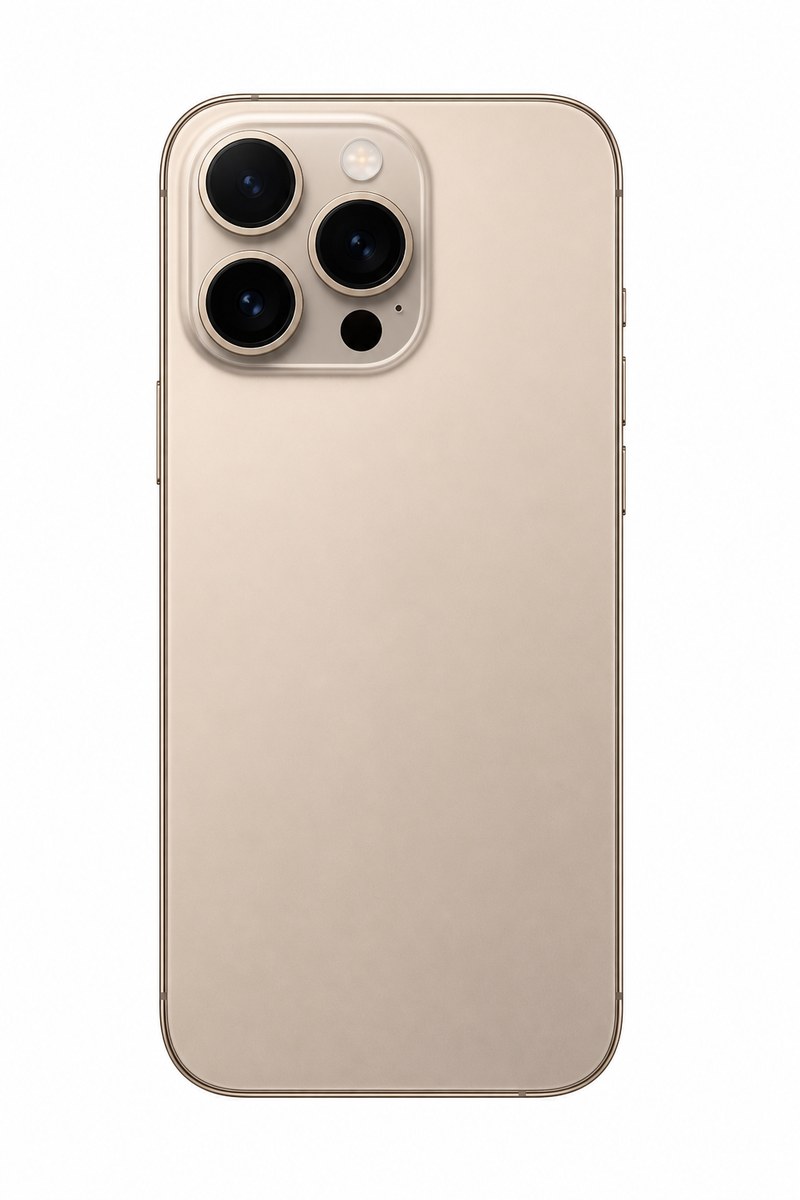
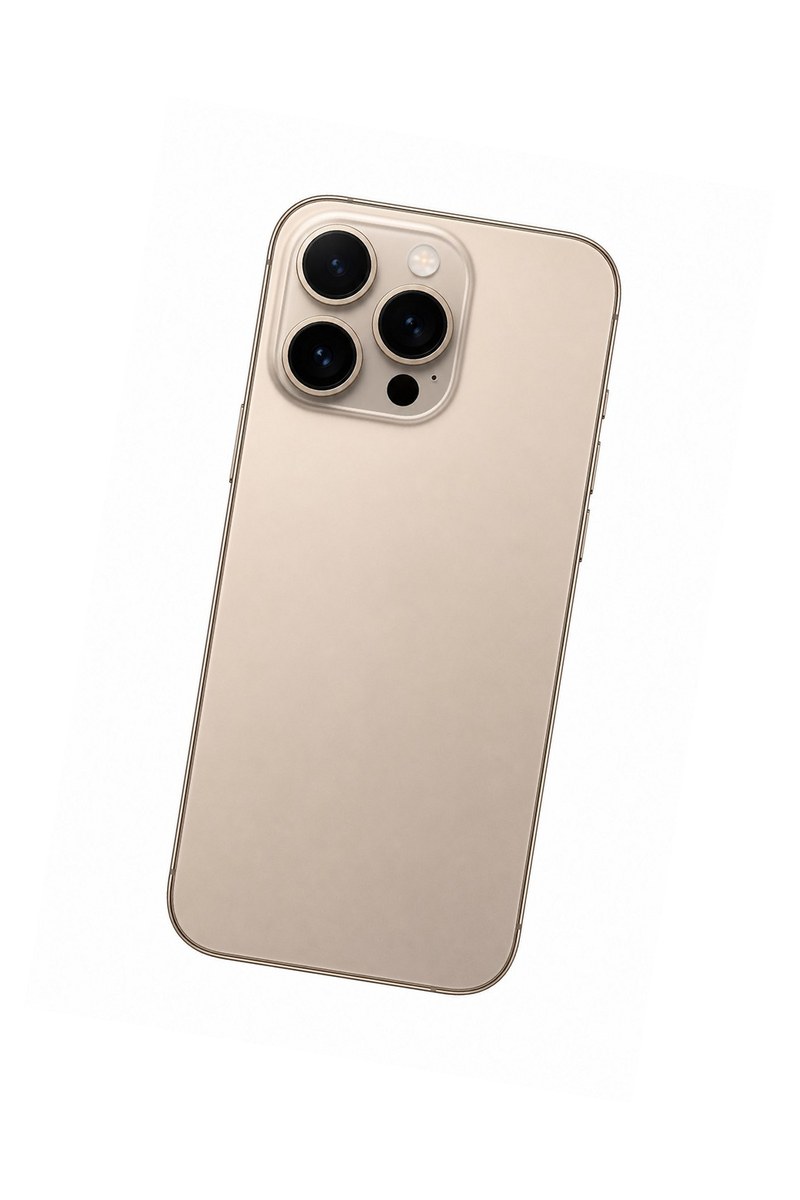
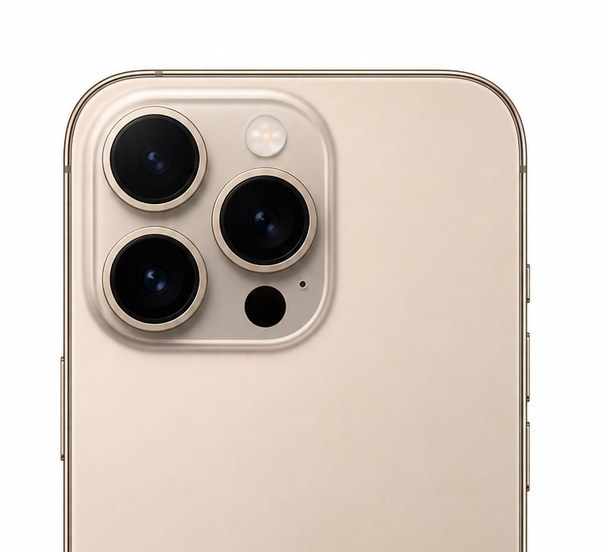
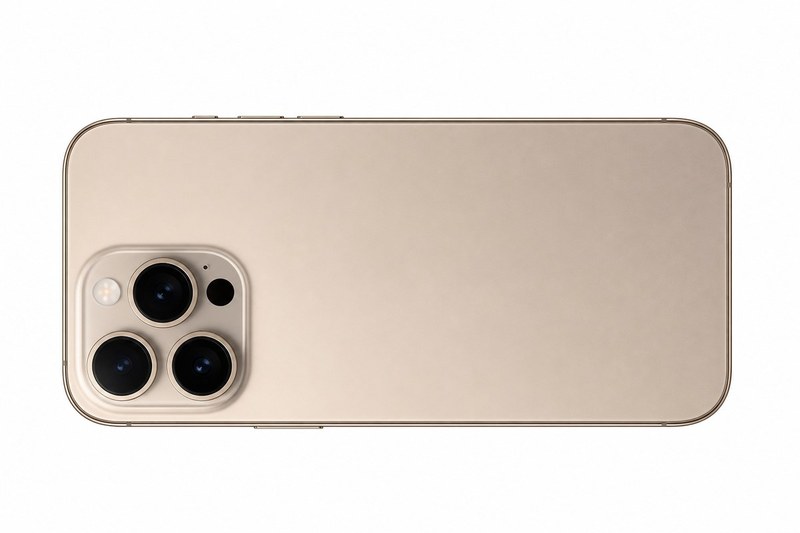
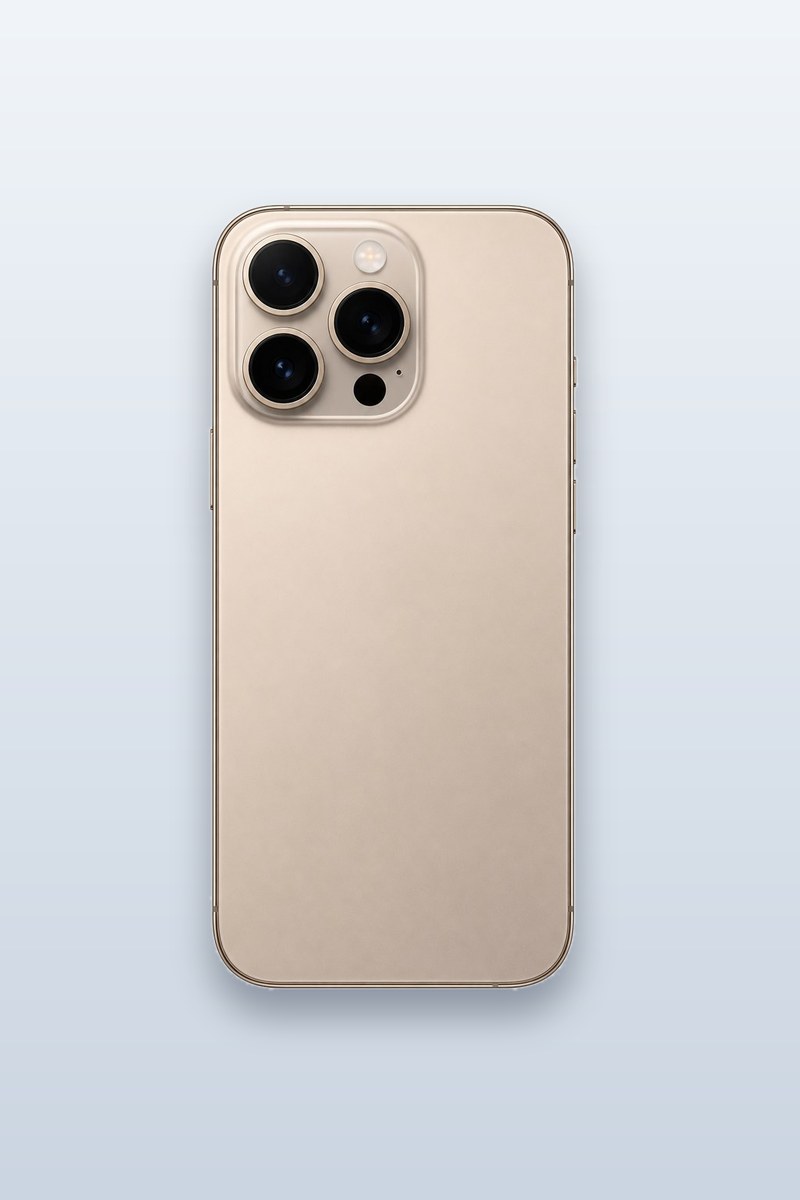
Illustrative images for identification. Not official manufacturer store photos. AllMobileSpecs is not affiliated with Apple.
iPhone 16 Pro Max
$1,199.00
Indicative USD (or converted display amount). Not a sale price and not an offer to buy.
Apple's largest Pro iPhone with Camera Control and A18 Pro.
Overview
The iPhone 16 Pro Max is Apple’s largest 2024 Pro iPhone: a 6.9-inch LTPO OLED, the A18 Pro chipset, and a triple rear camera with a 48 MP main sensor. It is designed around iOS, Apple’s accessory ecosystem, and a long software-update life rather than around expandable storage or a user-replaceable battery.
Compared with the smaller Pro, the Pro Max trades pocketability for battery volume and a bigger viewfinder for photos and video. Both Pro models in this generation share the same chipset and the same camera hardware, which has not always been true — in earlier generations the Max got a better telephoto. If you want the Pro camera system in a smaller body this year, you can have it, and the choice really is just size and battery.
The 8 GB of RAM on our table looks low next to the 12 GB and 16 GB figures on Android flagships. This is the classic cross-platform spec-sheet trap: iOS manages memory differently, apps are compiled differently, and the number does not translate. It is not evidence the phone is slower. Where it does matter is the on-device AI features Apple has been adding, which are memory-hungry and are the reason 8 GB became the Pro-line floor at all.
The 4685 mAh battery is smaller than most Android flagships of the same physical size, and again the number does not translate cleanly — Apple's silicon efficiency means real-world endurance is competitive with larger cells. Charging is the more useful comparison, and it is unflattering: wired charging is modest by Android standards, with 25 W MagSafe and 15 W Qi2 wireless. Apple does not publish a headline wired wattage the way Android makers do, which is why our table describes the wireless figures precisely and the wired one loosely. We would rather be vague than invent a number.
USB-C is the data and charging port, and on the Pro models it runs at USB 3 speeds rather than the USB 2 speeds of the base iPhone — a genuine difference if you offload ProRes video by cable. There is no 3.5 mm jack. Face ID is the biometric unlock method; there is no fingerprint reader.
Storage starts at 256 GB in the configuration we show, and there is no microSD slot. If you shoot a lot of ProRes or 4K video, the 512 GB and 1 TB options matter far more than the megapixel count on the selfie camera. ProRes in particular consumes storage at a rate that makes 256 GB uncomfortable.
This page is not an Apple Store. We are not affiliated with Apple. Prices are indicative USD amounts that exclude tax and carrier arrangements, and product images are illustrative.
Who it is for
A good fit if you already use an iPhone, a Mac, or an iPad and want the largest Pro display with the longest battery in the range. It is also the sensible pick if you value software support life and resale value, both of which have historically been the strongest in the industry, or if you shoot video seriously — the ProRes and log-recording support with USB 3 offload is a genuine professional workflow rather than a marketing feature.
A poor fit if you require Android, expandable storage, or a lighter handset; at 227 g this is the heaviest phone on this site. It is also the wrong choice if you want fast wired charging, where the Android flagships are several times quicker on paper, or if you want a fingerprint reader as an alternative to face unlock. And if you only want the Pro camera system, the smaller Pro has the same one this generation for less money.
How it compares
Against the Galaxy S25 Ultra, this is the cross-platform decision most buyers at this price are actually making. The Ultra has more zoom range, more RAM on paper, a stylus, and a higher-resolution display. The iPhone has tighter hardware-software integration, a stronger video workflow, and materially better resale value. Neither wins on specification alone.
Against the Pixel 9 Pro, the iPhone is larger and more expensive, and the Pixel is the better choice if you want a compact flagship. Camera output differs by philosophy rather than quality — Google processes more aggressively, Apple more conservatively.
Against the smaller iPhone 16 Pro, the only differences that matter are physical size and battery. Same chipset, same cameras. Buy the Max for the screen and the endurance, not because you expect it to take better photos.
Specifications
Hardware as typically announced. Blank fields mean we have not entered a figure — we do not invent specs.
| Technology | GSM / CDMA / HSPA / EVDO / LTE / 5G |
|---|
| Announced | 2024, September |
|---|---|
| Status | Available |
| Dimensions | 163.0 x 77.6 x 8.3 mm |
|---|---|
| Weight | 227 g |
| SIM | Nano-SIM + eSIM / Dual eSIM |
| IP rating | IP68 |
| Colors | Black Titanium, White Titanium, Natural Titanium, Desert Titanium |
| Type | LTPO Super Retina XDR OLED, 120Hz |
|---|---|
| Size | 6.9 inches |
| Resolution | 1320 x 2868 pixels |
| Protection | Ceramic Shield |
| OS | iOS 18 |
|---|---|
| Chipset | Apple A18 Pro |
| CPU | Hexa-core |
| GPU | Apple GPU (6-core) |
| RAM | 8 GB |
|---|---|
| Storage | 256 GB / 512 GB / 1 TB |
| Card slot | No |
| Main | 48 MP (wide) + 12 MP (periscope telephoto) + 48 MP (ultrawide) |
|---|---|
| Selfie | 12 MP |
| Loudspeaker | Yes, stereo speakers |
|---|---|
| 3.5mm jack | No |
| WLAN | Wi-Fi 7 |
|---|---|
| Bluetooth | 5.3 |
| NFC | Yes |
| USB | USB Type-C 3.2 |
| Capacity | 4685 mAh |
|---|---|
| Charging | Wired, 25W MagSafe wireless, 15W Qi2 |
| Sensors | Face ID, accelerometer, gyro, proximity, compass, barometer |
|---|